



































How To Become a Heat Pump Installer
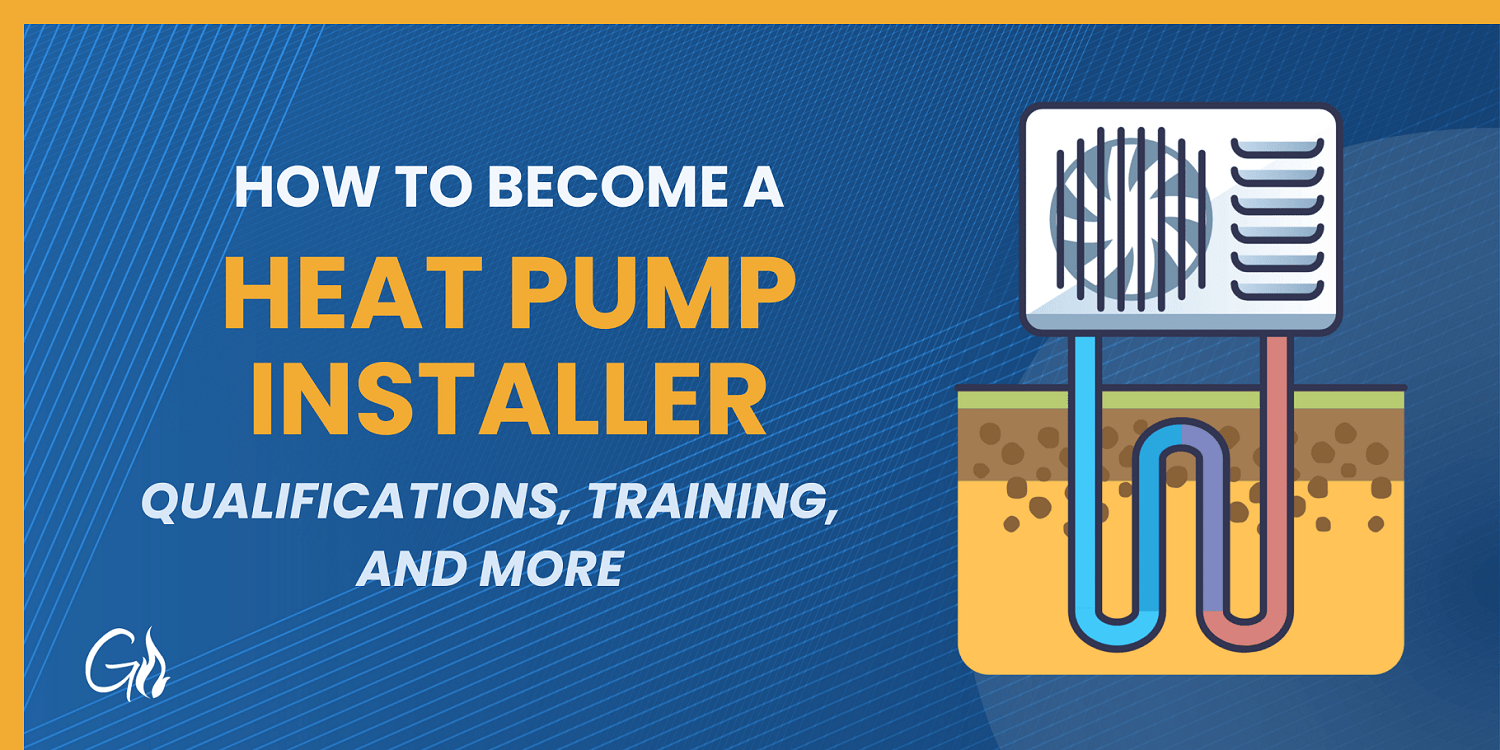
To become a heat pump installer in the UK with access to government funding, you’ll need to complete an accredited training course — usually lasting 3 to 5 days — and hold the right plumbing or heating qualifications.
Lots of potential work, good salaries, and a well-known skill gap mean training to become a heat pump installer is bound to be a rewarding career path, particularly if you already have some heating and plumbing qualifications.
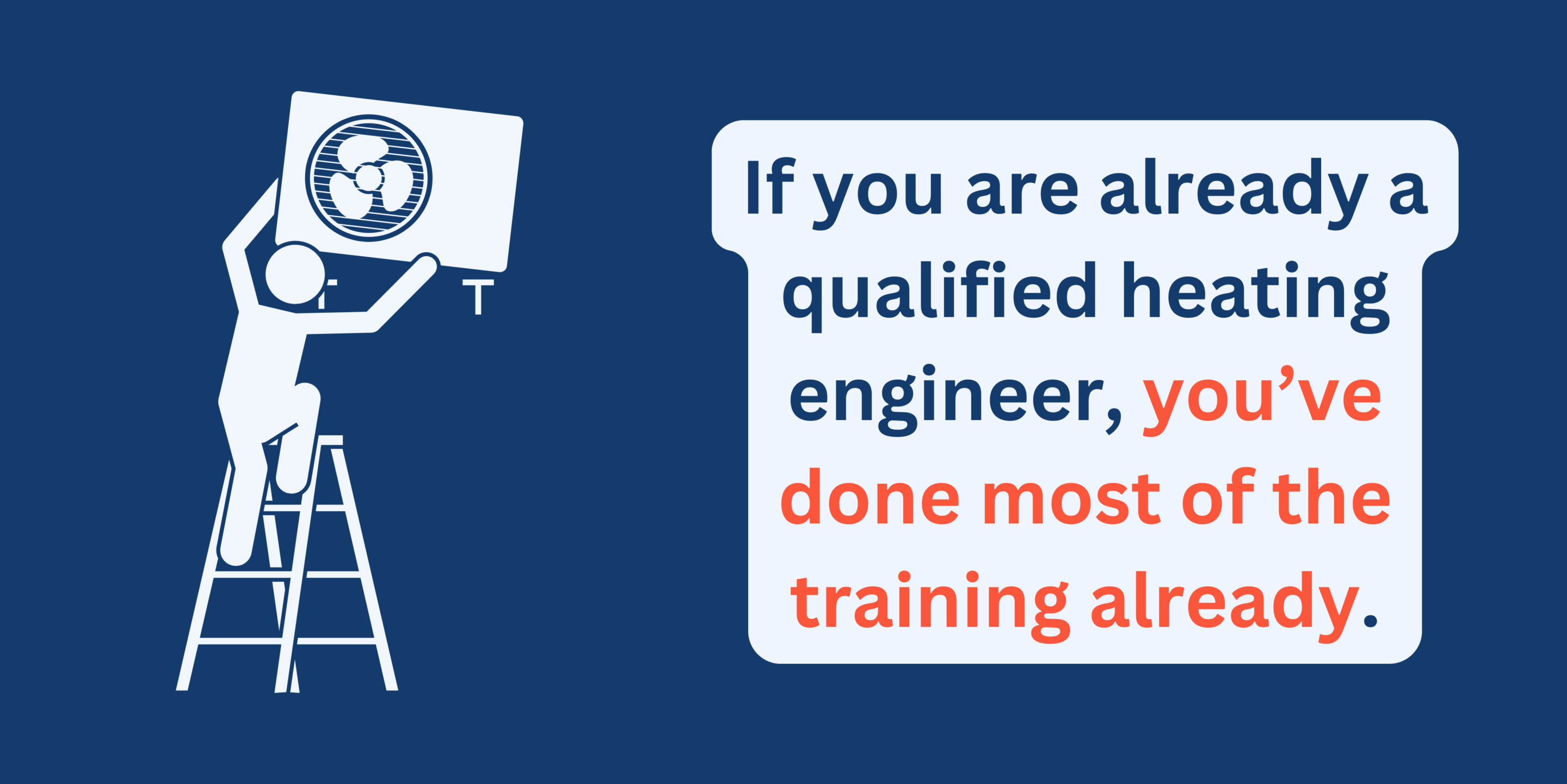
Whether you’re new to the industry or an experienced heating engineer who wants to branch into heat pumps, this guide will cover the qualifications, certifications, and training necessary to become a heat pump installer.
Why become a heat pump installer—and is now a good time?
60,000 heat pumps were installed in 2024, a 43% increase from 2023, and the Government has ambitious goals to increase this number to 600,000 by 2028. This alone shows the skill is in high demand, and will continue to be in the coming years.
There’s been a recent boom in training figures too: the Heat Pump Association says 2023 saw a 166% increase in the number of individuals completing heat pump courses compared to 2022, while Screwfix’s recent report revealed that 23% of plumbers and heating engineers plan to take a course in the coming years.
In short, becoming a qualified heat pump installer presents plenty of potential job opportunities, and now is a great time to get ahead of the curve and gain experience.
How to become a heat pump installer
Part 1: Required qualifications
Those new to the industry will need to take some foundational heating and plumbing courses, such as a Level 2 or 3 NVQ or SVQ. However, for existing heating engineers, training to become a qualified heat pump installer should mean no more than a 2-4 day long course.
These are the qualifications needed to enrol in a heat pump course and become a qualified installer:
- A Level 2 or Level 3 NVQ or SVQ in plumbing / heating & ventilation / gas / oil – Installation and Maintenance qualification
- A valid Core Gas Safety (CCN1) certificate with CENWAT – must be involved in the installation of heating systems
- An OFTEC Oil certificate
- A valid HETAS certificate (for wet systems)
- Several years (typically 2-3) of experience installing wet central heating systems, evidenced by the above or Gas Safe Register membership
Note: While you would ordinarily need F-gas certification to work on fluorinated gasses, most heat pumps are closed circuits and therefore do not require specific F-gas training.
Part 2: Enrol in a heat pump course
There is a wide list of heat pump training course options available, depending on your location.
You can find a full list of training providers on the Government’s website here.
Here is a breakdown of the different options to help you understand what you need, what it’ll cost, and how long it will take.
- Air source heat pump installation course:
- Cost: £500 to £600
- Time to complete: ~3 days
- Ground source heat pump installation course:
- Cost: £200 to £300
- Time to complete: ~2 days
- Combined air and ground source heat pump training courses:
- Cost: £700 to £800
- Time to complete: ~4 days
You may be eligible for a Government grant for discounted heat pump training courses. Successful applicants will get £500 off towards the heat training providers listed here.
Not everyone in your company must be a qualified heat pump installer to work on heat pump jobs. As long as there is one MCS certified engineer supervising the job, they can still help out.
Part 3: Should you train for air or ground source heat pumps?
The main difference between ground and air source heat pumps is where they source their heat.
An air source heat pump draws heat from the air outside, and can operate in cold temperatures as low as -15°C.
A ground source heat pump uses pipes buried in the ground to extract heat from the ground, where the temperature is more constant.
Ground source heat pumps are more complex to install, and are usually considered as an optional add-on after completing an air source heat pump course.
Complete a ground source heat pump course if you plan on working in more rural areas or want to get larger contracts.
Part 4: Become MCS qualified
The recent Boiler Upgrade Scheme (BUS) and £7,500 grant for the installation of a heat pump has created a surge in demand for new heat pump installations:

Above: Increase in heat pump installations with government grants.
Every customer looking to install a heat pump will expect to claim the 7500 GBP grant. For them to do this, their installer (you) must be MCS certified.
For any installer who wants to earn a living through heat pumps, MCS membership is a necessity.
For more information, read their guide here.
Part 5: Gain some real world experience
Once you’ve got all your qualifications, it’s time to start applying what you’ve learned in real jobs. Heat pumps can be more complicated than some other installations, so we’d recommend keeping everything organised through Gas Engineer Software.
Average heat pump engineer salary
According to the National Careers Service, heat pump engineer salaries range between £22,000 and £45,000 per year depending on their experience.
In contrast, a gas engineer may earn between £18,000 and £38,000 per year, and a HVAC engineer could earn between £20,000 and £35,000.
This means that experienced heat pump installers earn anywhere between £7000 and £10,000 more than those of similar experience in other trades.
Competent persons schemes
After completing your training, you’ll need to join a competent person scheme for heat pump installations. There is a full list of all the competent person schemes recognised in the UK, but those for heat pumps include APHC, Certsure (NICEIC), NAPIT and OFTEC.
Joining one of these schemes (or updating your membership if you are already registered with one) will let you self-certify that your heat pump installations comply with all the Building Regulations. Without having to get your work inspected, this will save you time and money (which means a cheaper and more attractive service for your customers).
5 reasons heating engineers should get heat pump qualified
#1 There will only be more demand for heat pump installations
Especially now with the 50% increase of the BUS grant, demand for heat pumps is sure to rise. Completing your training courses now enables you to catch this demand as it’s picking up steam.
In addition to this, completing your training early and doing a few installations now will help you become one of the more experienced heat pump installers in your area.
#2 Training can be done in just a few days
Becoming a heat pump installer is not like training to become a heating engineer all over again. There are more than a few knowledge and skill overlaps, and it only takes a few days to complete the supplementary courses.
#3 Heat pump installation jobs can be more profitable
Taking a few days off for training might make a small dent in that month’s earnings, but you’ll soon make up the difference with a few heat pump installation jobs. In general, heat pump installations are a more complex and longer process. You’ll end up charging more for labour costs and earn a bigger profit because of it.
#4 Preparing yourself for the future of heating in the UK
Fossil fuels are inevitably on the way out, especially with the Government’s net zero ambitions. Training to be a heat pump installer now guarantees you career stability and security as the heating landscape continues to evolve. This is also true for the health and security of your business.
#5 You’ll be able to find more jobs
Adding another service is a great way to open up your business to more jobs. Especially if you run a business with several employees, offering more services means more potential work.
Are there any free heat pump installer course options?
Some course providers will market their course as being free. This is often a combination of the £500 Government subsidy and their own private discounts.
Without the subsidy, it would be highly unusual to find free courses with proper training. We would recommend taking advantage of this subsidy for a free (or almost free) heat pump course while they are still available.
With your new heat pump jobs…
With heat pump installer jobs making their way into your schedule, it makes sense to prepare yourself for the increased workload and new customers.
Gas Engineer Software is an all-in-one job management platform that saves an average of 6.6+ hours per week, per user. Build quotes, create certificates, manage customer details, issue invoices, and lots more.